


Lord Willingdon
G.C.S.I., G.C.M.G., G.C.I.E,
G.B.E, P.C.,
(First Patron)
Founders
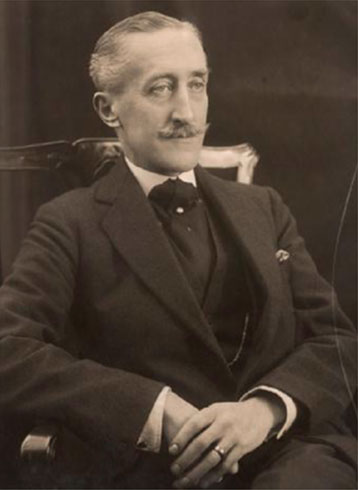
Biography:
Freeman Freeman-Thomas, 1st Marquess of Willingdon GCSI, GBE, GCMG
(12 September 1866 – 12 August 1941)
He , styled as the Earl of Willingdon between 1931 and 1936, was a British Liberal politician and administrator who served as Governor General of Canada and as Viceroy and Governor-General of India. He was appointed on 10 April 1919 as the Governor Of Madras Presidency . Willingdon appointed A. Subbarayalu Reddiar as his premier who opened the first meeting of the Legislative Assembly.
Lord Willingdon held top civil honours in the British Indian Empire (GCSI, GCIE) and was a Privy Councillor in the UK
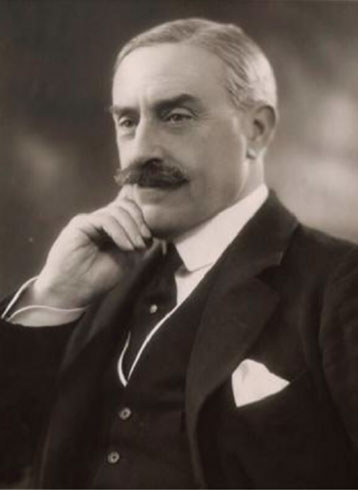
His Excellency Viscount
Goschen, G.C.S.I., G.C.I.E.,
C.B.E., V.D., K.St.J., P.C.,
A.D.C.
Biography:
George Joachim Goschen, 2nd Viscount Goschen (1866–1952), served as the Governor of the Madras Presidency from 1924 to 1929 and later as the Acting Viceroy of India from 1929 to 1931. Throughout his distinguished career, he received several honours, including G.C.S.I. (Grand Commander of the Order of the Star of India), G.C.I.E. (Grand Commander of the Order of the Indian Empire), C.B.E. (Commander of the Order of the British Empire), V.D. (Volunteer Decoration), and K.St.J. (Knight of the Order of St. John, 1921). He was also appointed as a Privy Councillor (P.C.), Aide-de-Camp (A.D.C.), and Knight Grand Commander of the Order of the Star of India in March 1924. As a member of the Privy Council of the United Kingdom and advisor to the British monarch, Goschen played a significant role in administration. His tenure is remembered for stable governance in the Madras Presidency and his leadership during a transitional period in India’s history.
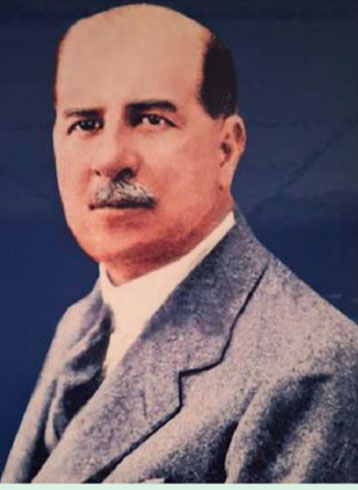
Lieut. Col. J.P. Cameron,
C.S.I., C.S.I., I.M.S.
Inspector General of Prisons,
(Organiser)
Biography:
Lieutenant-Colonel J. P. Cameron, later known as Colonel Sir John Philip Cameron (CSI, CIE), served as the Inspector-General of Prisons for the Madras Presidency during the early 20th century. He played a pivotal role in strengthening the prison administration of the region. In 1921, he established the Madras Presidency Discharged Prisoners Aid Society to support the rehabilitation and reintegration of released prisoners. Cameron was also a strong advocate of prison reformation, especially for young offenders, and in a 1925 report he emphasized the positive progress of the Borstal system, which aimed to develop qualities such as truthfulness, industry, and manliness in young men. He received several honours for his service, including the Companion of the Order of the Star of India (CSI) and the Companion of the Order of the Indian Empire (CIE), the latter awarded in the 1932 New Year Honours for his dedicated work as Inspector-General of Prisons in Madras.